The foreign exchange market, commonly known as forex, represents the largest and most liquid financial market globally, with daily trading volumes exceeding $7.5 trillion. For traders seeking to navigate this dynamic landscape, understanding expert perspectives and practical strategies is essential. While forex trading offers significant opportunities, it also carries substantial risks that require careful consideration and disciplined execution. This comprehensive guide synthesizes insights from seasoned professionals, providing actionable advice for both novice and experienced traders. From risk management fundamentals to advanced technical analysis techniques, these expert-backed strategies can help you develop a more informed approach to currency trading while maintaining realistic expectations about potential outcomes.

Key Takeaways
- Effective risk management is the foundation of sustainable forex trading success
- Technical and fundamental analysis should be used together for comprehensive market evaluation
- Emotional discipline and trading psychology significantly impact long-term performance
- Continuous education and market adaptation are essential for maintaining trading edge
Understanding Forex Market Fundamentals
The forex market operates as a decentralized global marketplace where currencies are traded in pairs, such as EUR/USD or GBP/JPY. According to veteran traders, understanding the underlying mechanics is crucial before executing any trades. Currency values fluctuate based on numerous factors including economic indicators, central bank policies, geopolitical events, and market sentiment. Expert traders emphasize that successful forex trading requires more than just technical skills—it demands a comprehensive understanding of macroeconomic principles and how they influence currency valuations. The market operates 24 hours a day, five days a week, opening in Sydney and moving through Tokyo, London, and New York. This continuous operation creates unique opportunities but also requires traders to be strategic about timing. Professional traders recommend focusing on major currency pairs initially, as they offer higher liquidity and tighter spreads. Understanding concepts like pips, lots, leverage, and margin is fundamental. Most experts agree that new traders should spend considerable time in demo accounts before risking real capital, allowing them to develop familiarity with trading platforms and market dynamics without financial exposure.
Risk Management Strategies from Trading Professionals
Industry experts universally agree that risk management is the single most important factor determining long-term trading success. Professional traders typically risk no more than 1-2% of their trading capital on any single trade, a principle that protects accounts from catastrophic losses. Stop-loss orders are considered non-negotiable tools, automatically closing positions when prices move against you by a predetermined amount. Experienced traders emphasize the importance of calculating risk-to-reward ratios before entering trades, typically seeking ratios of at least 1:2 or 1:3. Position sizing is another critical component—experts calculate the appropriate lot size based on their account balance, risk tolerance, and stop-loss distance. Diversification across currency pairs can help manage portfolio risk, though over-diversification may dilute focus and effectiveness. Many professional traders maintain detailed trading journals, documenting not just trades but also market conditions, emotional states, and decision-making processes. This practice enables pattern recognition and continuous improvement. Leverage, while potentially amplifying profits, is identified by experts as a double-edged sword that can magnify losses equally. Conservative leverage use is strongly recommended, particularly for newer traders still developing their skills and market understanding.
- Position Sizing Discipline: Calculate lot sizes based on predetermined risk percentages rather than arbitrary amounts to maintain consistency
- Stop-Loss Implementation: Always use stop-loss orders and never move them further away from entry to avoid larger losses
- Risk-Reward Assessment: Evaluate potential profit against potential loss before entering trades, seeking favorable ratios of 1:2 or better
Technical and Fundamental Analysis Integration
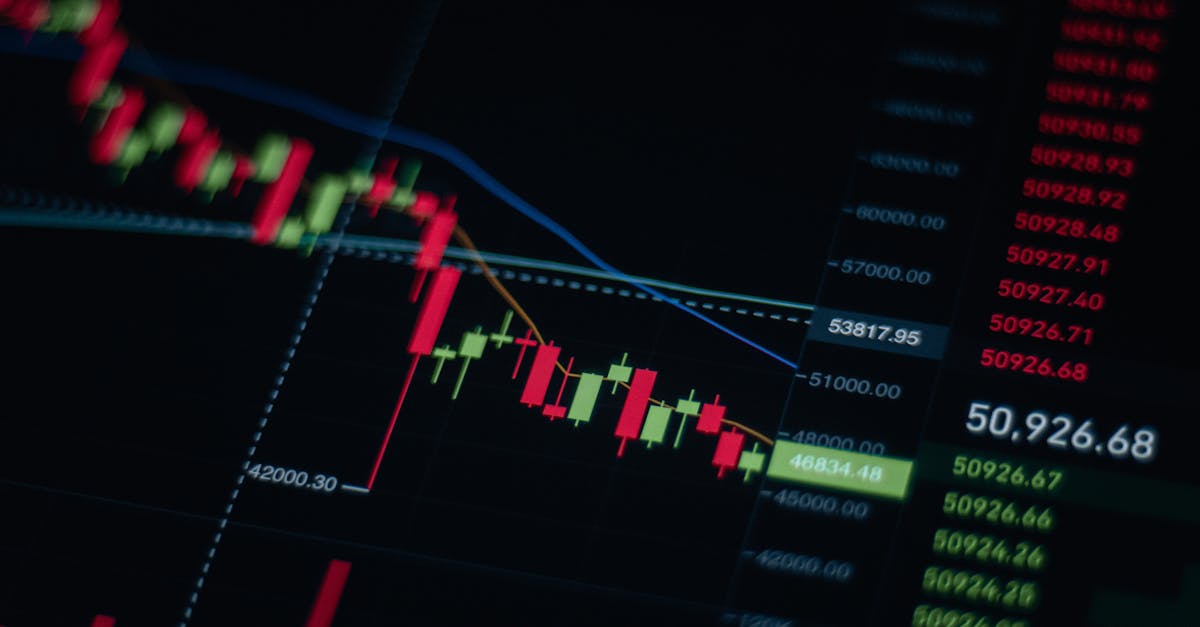
Expert traders typically employ a combination of technical and fundamental analysis to make informed trading decisions. Technical analysis involves studying price charts, patterns, and indicators to identify potential trading opportunities. Popular tools include moving averages, Relative Strength Index (RSI), MACD, Fibonacci retracements, and support/resistance levels. Professional chartists emphasize that no single indicator is infallible—successful traders use multiple confirmations before entering positions. Fundamental analysis focuses on economic data releases, central bank announcements, inflation reports, employment figures, and GDP growth rates. Seasoned traders monitor economic calendars religiously, understanding that high-impact news events can create significant volatility. Many experts recommend avoiding trading immediately around major announcements unless specifically trading the news with appropriate strategies. The integration of both approaches provides a more complete market picture. For instance, technical analysis might identify an optimal entry point, while fundamental analysis confirms the directional bias. Experts note that different trading timeframes may require different analytical emphasis—day traders might rely more heavily on technical patterns, while position traders incorporate more fundamental considerations into their decision-making processes.
Developing Trading Psychology and Emotional Control
Trading psychology is often cited by experts as the differentiating factor between successful and unsuccessful traders. Emotional discipline, patience, and the ability to accept losses without revenge trading are critical psychological skills. Professional traders emphasize the importance of developing and adhering to a comprehensive trading plan that includes entry criteria, exit strategies, and risk parameters. This plan serves as an emotional anchor during volatile market conditions. Fear and greed are identified as the primary emotions that derail traders—fear can cause premature exits from winning positions, while greed leads to overleveraging and holding losing trades too long. Experienced traders recommend meditation, regular breaks from screens, and maintaining life balance to manage trading stress effectively. Many professionals suggest keeping detailed records not just of trades but of emotional states during trading sessions, helping identify psychological patterns that impact performance. Setting realistic expectations is crucial—experts warn against get-rich-quick mentalities, emphasizing that consistent profitability develops over months and years, not days or weeks. Accepting that losses are an inevitable part of trading helps maintain emotional equilibrium and prevents destructive behavioral patterns.

Practical Tips for Continuous Improvement
Expert traders emphasize that forex trading is a continuous learning journey requiring ongoing education and adaptation. Markets evolve, and strategies that worked previously may become less effective. Successful traders dedicate time to reviewing their performance, analyzing both winning and losing trades to identify improvement areas. Many professionals recommend specializing in a few currency pairs rather than attempting to trade everything, allowing deeper understanding of specific market behaviors and correlations. Backtesting strategies on historical data provides valuable insights into potential effectiveness before risking real capital. Expert traders also stress the importance of staying informed about global economic developments, following reputable financial news sources, and understanding how geopolitical events influence currency markets. Networking with other traders through forums, webinars, or trading communities can provide alternative perspectives and learning opportunities. Technology utilization is increasingly important—experts recommend using trading platforms with robust charting capabilities, automated alerts, and efficient order execution. However, they caution against over-reliance on automated systems or trading robots without understanding underlying strategies. Finally, maintaining proper work-life balance prevents burnout and maintains the mental clarity essential for effective decision-making in high-pressure trading environments.
Conclusion
Forex trading presents significant opportunities for those willing to invest time in education, develop disciplined risk management practices, and maintain emotional control. Expert opinions consistently emphasize that sustainable success requires a comprehensive approach combining technical knowledge, fundamental understanding, psychological resilience, and continuous adaptation. The statistics showing that most retail traders lose money serve as important reminders that forex trading is challenging and not suitable for everyone. Those who approach it with realistic expectations, adequate capital, and commitment to ongoing learning stand better chances of achieving their trading objectives. Remember that no strategy guarantees profits, and past performance never ensures future results. The most successful traders view forex as a marathon rather than a sprint, building skills incrementally while protecting their capital through prudent risk management.
Michael Thornton
Michael Thornton has over 15 years of experience analyzing global currency markets and providing educational content for retail and institutional traders. He holds the Chartered Financial Analyst (CFA) designation and regularly contributes to major financial publications.